"We're just putting stickers on the board, and you don't listen to us at the end of the day."

This story from our local news outlet caught my attention in large part because of the "we're just putting stickers on the board" quote.
It came from a resident participating in a community listening session, run by consultants, designed to gather early insights into how to develop a vacant piece of property owned by the city. The property sits in the city's historically Black community that was also the focus of environmental equity listening sessions in 2025.
The resident noted that other city projects had conducted similar public engagement sessions where "all of these consultants are coming in asking us to put stickers on the board, and then you all do whatever you want."
“We feel some kind of way when this is repeating over and over again, and we’re just putting stickers on the board, and you don’t listen to us at the end of the day,” she said.
Other resident participants echoed similar themes. Not trusting the process to take resident input into serious consideration. Thinking they were coming to a session to brainstorm property development ideas and instead spending time sharing general data about lived experiences.
This is exactly the dynamic noted by an expert in civic engagement who lives in Evanston and who helped lead its participatory budgeting effort. Folks quickly learn the game: Council leaders (or city staff) have decided what they want to do and resident input doesn't really matter. It's also something I've heard directly in my own limited interactions with folks from the same historically Black neighborhoods.
The participatory budgeting effort did in fact engage large numbers of community members and resulted in several budgeted and active projects. A key element of the success, according to the expert who led the effort, was an ambitious and persistent outreach effort dedicated to convincing people that the game - in this participatory budgeting case - was different.
But I have not yet heard of anyone saying that the city should adopt the outreach methods used during participatory budgeting to address the issue of trust in the engagement process. Nor are there more participatory budgeting efforts planned at this time.
So what's going on here?
In Continuous community listening as a civic utility, I wrote this:
When we think about how we listen to folks who live in our communities, we likely think about meetings. Special community meetings. Or projects that include community engagement meetings as one step in a larger project plan.
But projects and stand-alone meetings have flaws. They are designed and facilitated inconsistently; some work well, some don't. They often draw the same small subset of residents. Many are run by consultants who lack nuanced understanding of the community. Some project sponsors are just checking the box on engagement before doing what was always planned (and residents know this). Projects also tend to work in silos. The engagement may be for parks, but maybe we learn something important about traffic or sewers or biking. That intel likely will not travel.
I'll add this about the learning and intel. A lot of work has been done to record and analyze the lived experiences of folks in the 5th Ward. I am no expert, but even I can point to several formal city reports and a number of civic and community events that provide substantial data and insights into what folks experience in those neighborhoods. It's no secret. So why not do the homework beforehand, use the meeting to check understanding, and then move into more nuanced discussion of what might be possible at the vacant lot?
I ask this to check my own practices when thinking about engaging folks in activities that may lead to generating ideas. Its akin to active listening, when you paraphrase and repeat back what you think you heard to check for understanding. You build trust when you do this. But more than that, it builds shared understanding, which is the whole point of listening.
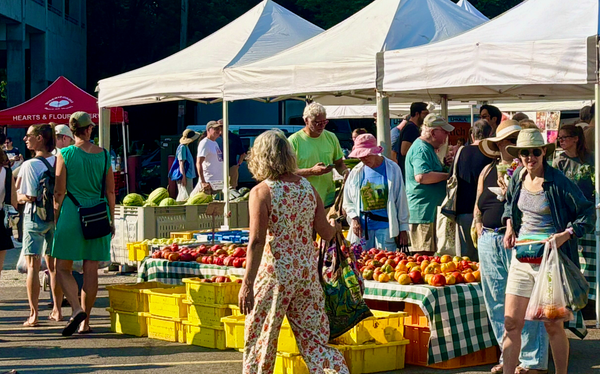
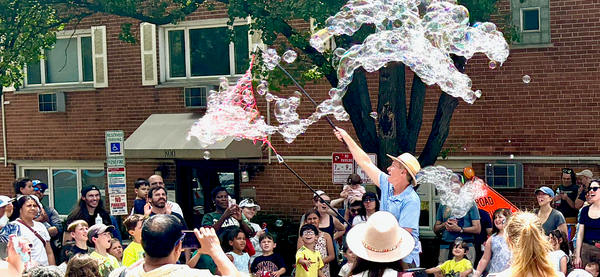
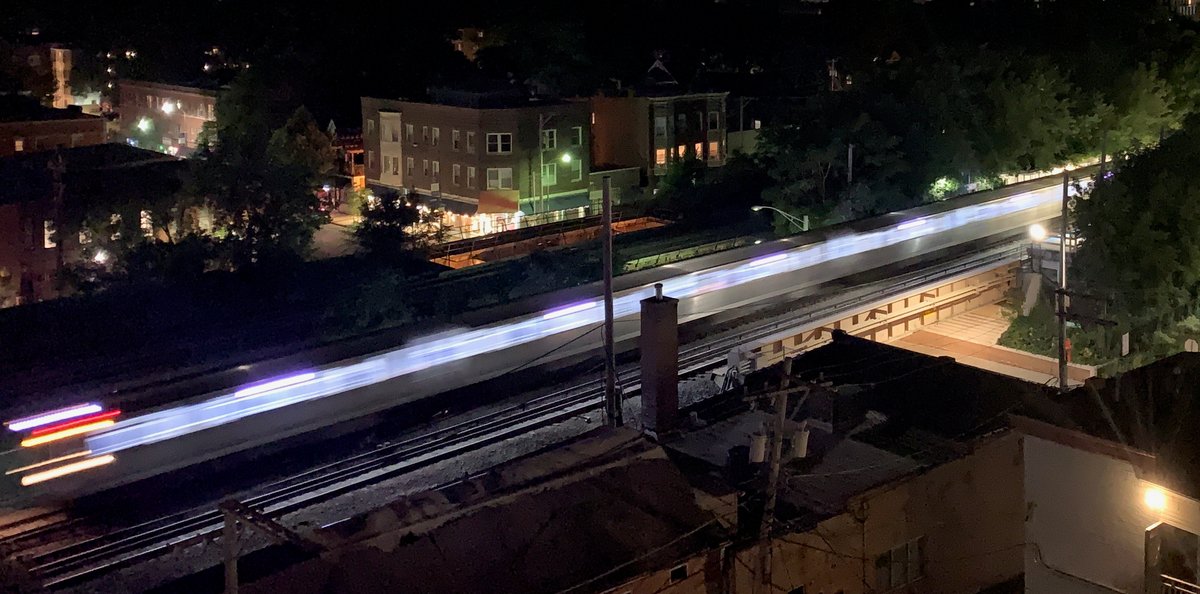
The photographs which accompany these posts are taken by me, and show different settings and views of Evanston (where I live). It is a visual reminder that this is the most important setting for belonging and contributing to community: our neighborhoods, our cities.
Jeff Merrell - Community Listening © 2026 by Jeff Merrell is licensed under CC BY-NC 4.0