Continuous community listening as a civic utility

When we think about how we listen to folks who live in our communities, we likely think about meetings. Special community meetings. Or projects that include community engagement meetings as one step in a larger project plan.
But projects and stand-alone meetings have flaws. They are designed and facilitated inconsistently; some work well, some don't. They often draw the same small subset of residents. Many are run by consultants who lack nuanced understanding of the community. Some project sponsors are just checking the box on engagement before doing what was always planned (and residents know this). Projects also tend to work in silos. The engagement may be for parks, but maybe we learn something important about traffic or sewers or biking. That intel likely will not travel.
But even in the best projects and events there is a structural flaw which never goes away. Projects and events have a beginning, when the listening starts, and an end, when the listening stops. Listening is never continuous. Neither is the learning.
What if, instead, we listened and learned all the time? And what if more of the listening and engagement were done by residents, for residents?
These questions come from a mashup of ideas and conversations. Continuous listening is a practice I've come to know well through the work of my friend and former teaching colleague Teresa Torres. Torres literally wrote the book on continuous discovery habits for folks who work building digital products.
Imagining residents leading engagement for residents came through conversations with Tom Mulhern, a local friend who I reconnected with recently. Tom (like Teresa) has deep experience in design and the listening practices designers employ. We reconnected over the uneven state of community listening in Evanston. It was Tom's inspiration to imagine anchoring listening in resident's hands, performed continuously as a kind of civic utility available to the city.
Now Tom and I are starting to talk to folks - on all sides of Evanston's engagement efforts - to surface the various challenges they see in the current state. What I wrote, above, about flaws in engagement projects and stand-alone meetings comes from those conversations. Some are things Tom and I have also observed.
What's most interesting, at this point, is that literally no one is really satisfied with the current state.
Yet we repeat and repeat the same approaches and practices. No one steps back to reflect and learn, at the community level.
Much of this unproductive repetition is expensive. The city relies on consultants to run projects that require special expertise (housing, zoning, environment, etc.) and those consultants build community engagement work into their project plans. Then the consultants go out and repeat unproductive practices.
A major long-term comprehensive plan project completely unraveled and resulted in the city changing consultants. That's an extreme example. More common is consultants having to admit their projects are "still struggling to get the engagement it hoped for." That's taxpayer dollars, not being used effectively. to discover what taxpayers think. Something seems amiss there.
The "continuous listening, by residents for residents" working vision is more an aspirational direction than a well-formed solution. What I find interesting as we speak with more folks is that the working vision tends to draw out intriguing observations or connections to similar challenges addressed with creative solutions.
Tom and I have been careful not to lead with this working vision when we speak with folks. We start by sharing some observations we've collected about community engagement and ask if folks have experienced similar. Then we ask them to explain those experiences with examples, and to help us define the problems underneath those experiences.
It's after that part of the conversation that we lightly introduce the working vision. And where we see the sparks start to go off a bit. Maybe it's just that we're talking to folks who like to think out of the box. But my spidey-sense tells me that the observations and connections we draw out from that working vision means we're tapping into something worth continuing to explore.
More on all of this as it unfolds.
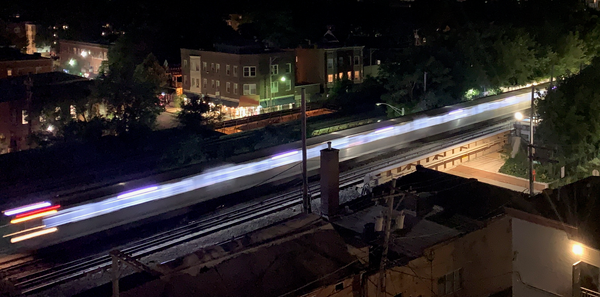
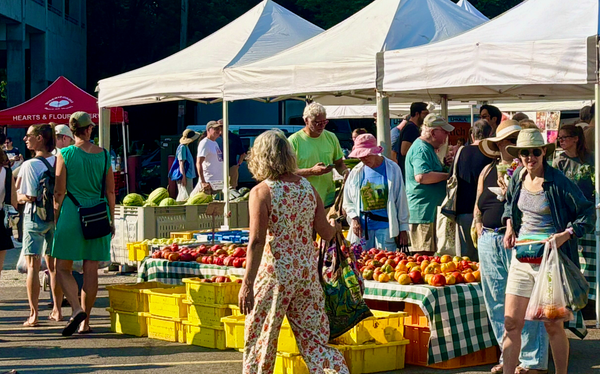
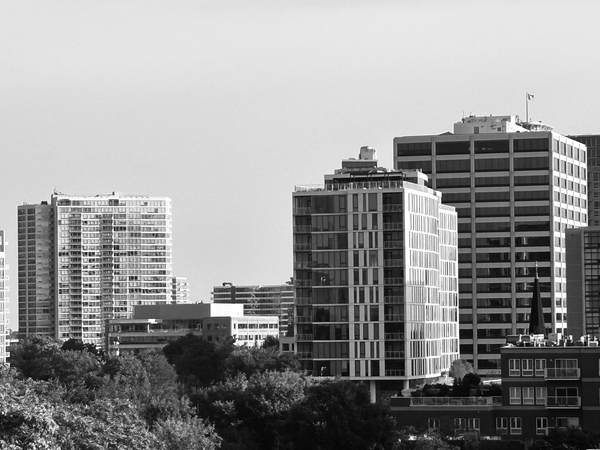
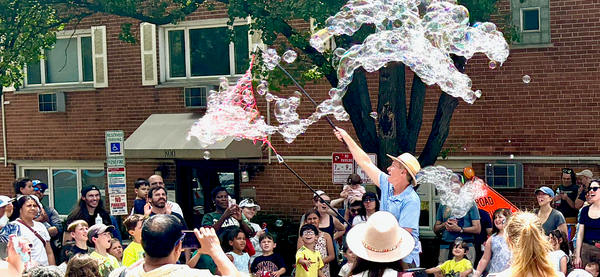
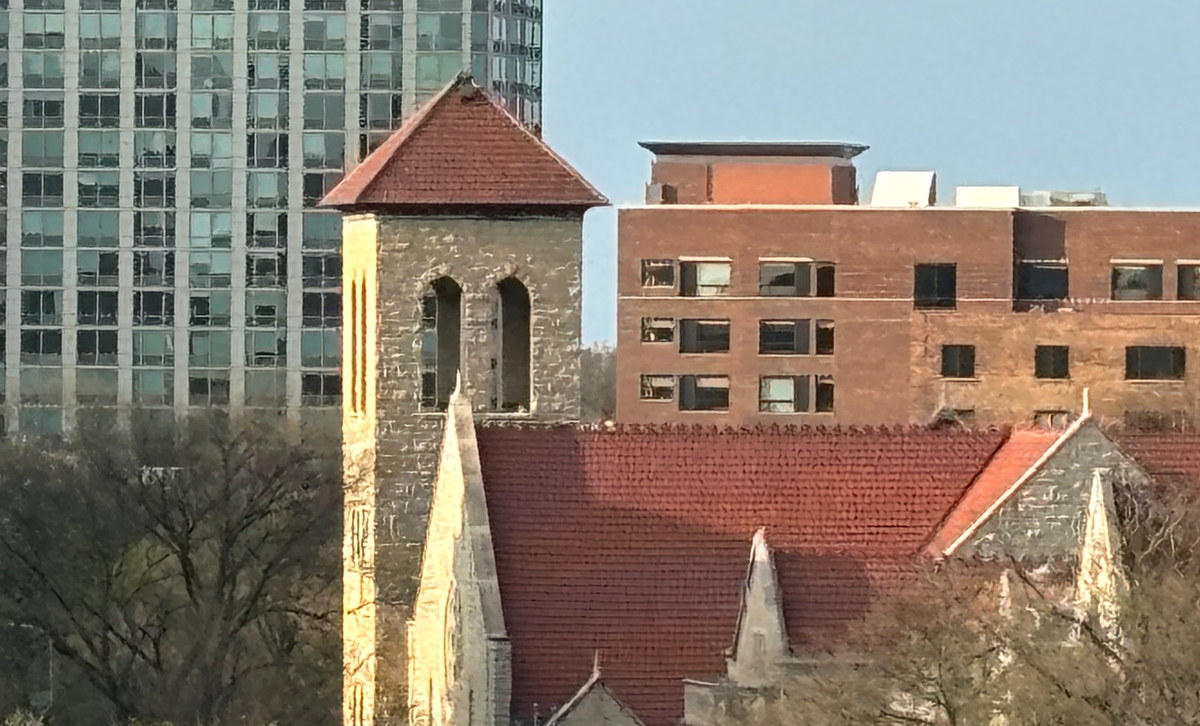
The photographs which accompany these posts are taken by me, and show different settings and views of Evanston (where I live). It is a visual reminder that this is the most important setting for belonging and contributing to community: our neighborhoods, our cities.
Jeff Merrell - Community Listening © 2026 by Jeff Merrell is licensed under CC BY-NC 4.0