Notes and observations for May

A few things I just want to get into writing.
Variation on thinking about thinking tasks. This came in conversation with Tom Mulhern (a co-conspirator) about a very draft design of a one-hour facilitated session to engage small neighborhood groups in conversation about potential environmental equity actions. The conversation led to checking more thoroughly about the cognitive load of the conversation process in addition to the content.
Paying attention to cognitive load is something I'm attuned to (it came up a lot in designing learning activities for graduate students) but there are always blindspots. Tom noted experiences he's had where what seemed like straightforward process steps actually got in the way of the intended content dialogue. He noted this as we reviewed a facilitation step in my draft design that required folks to use a talking object; a physical object that, when held by someone, means they are the only speaker. The instructions for the conversation were to have each person speak, using the talking object, for one minute before passing it to another person. The intention of the talking object is to focus other participants on active listening.
The question Tom asked was whether the use of the object might cause folks to focus more on making sure they get the process right rather than thinking about what they have to offer. He noted experiences where folks would make a "mistake" in the process - "oh, shoot, I know I shouldn't do that" - resulting in the whole group now spending a lot of cognitive energy on getting the game rules right.
As we discussed this, it became clear that it is not about whether something like using a talking object puts too much cognitive load on a group. It's whether the cognitive load it produces is well justified to fit the situation. In some settings it may give people a highly effective tool for managing air time tensions and individual respect. In other settings it may be enough to just say, "let's each take turns talking for about a minute, while everyone else listens." Or to write initial thoughts on post-it notes, post them, and then take turns discussing.
Practice sessions or repetition can also help reduce cognitive load. I recall doing World Cafe discussions as part of a class session when I taught. In World Cafe, you do rounds of brief conversations in a particular structure. By the second or third round, it became routine. The next time we did a World Cafe conversation, conversations flowed from the start.
Translating environmental outcomes to health (and well-being). Another conversation about draft design work (with Hank Neuberger, a veteran volunteer leader of Environmental Justice Evanston) led to two different areas to work on.
I noted in Design notes for environmental equity group engagement and learning activities the need to translate Environmental Equity Investigation (EEI) action recommendations into sentences that might be more meaningful to a group of community residents. The action recommendations tend to be framed as changing city policies (i.e., zoning or traffic) or city programs, which require some pretty deep knowledge of how these policies or programs work and how changes to them might actually impact outcomes. That's policy-wonk work and thinking, not neighborhood work.
My approach was to think about how you get neighbors to have input on how to prioritize outcomes - and once you have priorities, you let the policy-wonk folks work out the paths to achieve the outcomes. That led to defining outcomes such as "healthy outdoor air quality in the neighborhood," which can be impacted by policies and programs in a number of areas (traffic, zoning, greenery, etc.).
It's not perfect, but I'm getting somewhere useful when I share this thinking. Hank noted that the outcome language I drafted was more clear but it was still one step away from getting at a root issue: From his experience, folks don't necessarily connect environmental equity issues or environmental issues in general (sustainability, climate change) to their daily health and well-being. But some of the city's own data suggests hyperlocal built environments may be one contributing factor to a 13-year disparity in life expectancy across Evanston neighborhoods.
It was an interesting observation. And one which points to more listening, to unpack how folks think about "the environment" and taking action on its many elements. Health outcomes - like sustainability - take time to unfold. But listening should provide a way to discover motivation and how to use that motivation to help neighborhoods craft narratives that connect health and the environment.
Adapting how to frame co-designed efforts to different audiences. In the work that I am doing recently, I recognize that there are two different audiences for potential group collaboration. Hank also noted this, independently, which suggests there is a there there.
One audience is the folks who live in specific neighborhoods. This may include block clubs or just informal groups of neighbors who come together to take some action. The second audience includes formal organizations - civic groups, not-for-profits, environmental justice committees of religious or civic organizations (of which there are many in Evanston).
I am thinking about these audiences independently. At some point, I want to consider how the two might collaborate together. But thinking about them independently helped me envision one way to frame outcomes that might address an underlying challenge: Engaging the energy and expertise of the organizational groups while respecting the creative sovereignty of the folks who actually live in the neighborhoods.
The framing might be divided like this:
- Neighborhoods create solutions for their priority neighborhood challenges.
- Organizations create solutions to address the underlying structural issues in the city that impact environmental equity across neighborhoods.
Of course these overlap. But I can see in the content of the Environmental Equity Report (EEI) - especially its long list of recommended actions - a lot of policy and program actions that the local organizations and committees are much more attuned to address (compared to neighborhoods). It's policy and advocacy work with city leaders and staff that should come from a broad coalition of Evanston residents, working on behalf of their community.
Where this leads me is to thinking more about designing engagements for each audience. In the same way that I focused on neighborhoods in Design notes for environmental equity group engagement and learning activities, I'm thinking about focusing on the organizational groups and designing a set of activities to have them collaboratively devise solutions to structural issues.
Looks like there is a good opportunity to do both of those things going forward. Near term that means talking to a lot of folks and doing more discovery. But I'm intrigued by this two-pronged approach.
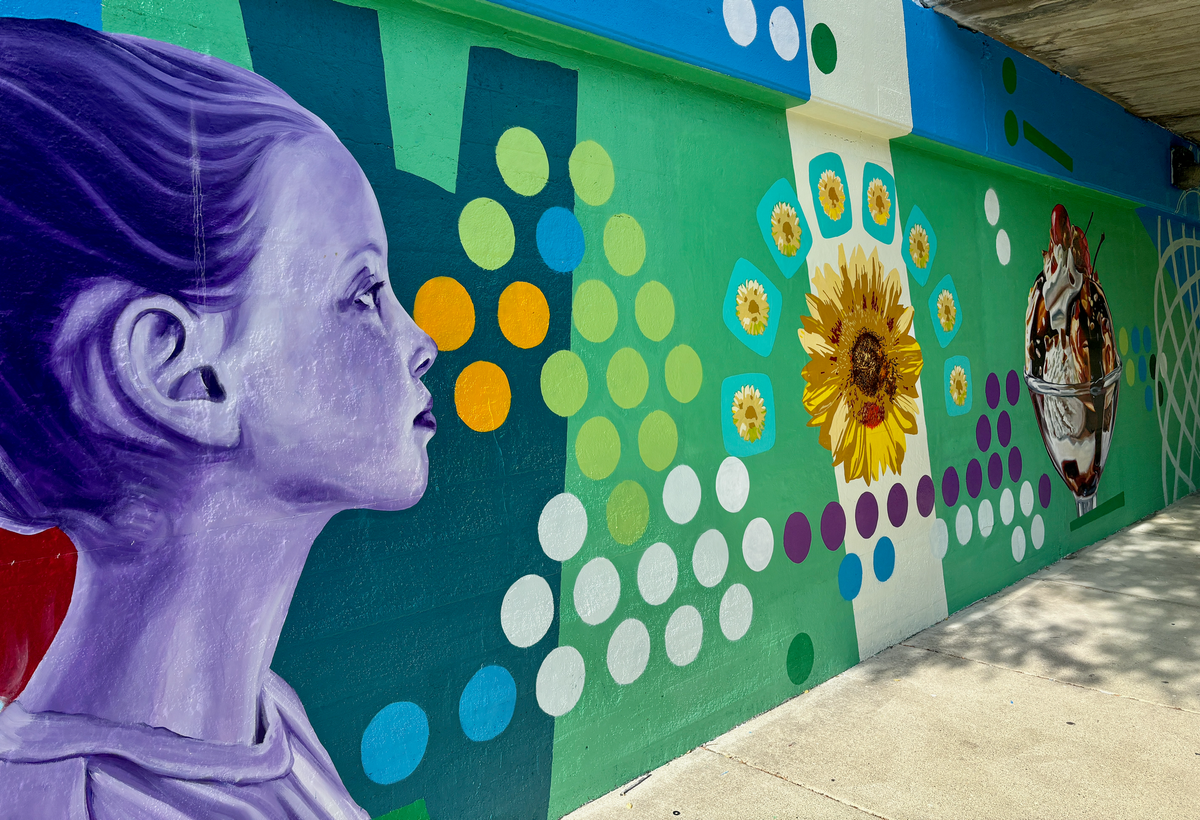
The photographs which accompany these posts are taken by me, and show different settings and views of Evanston (where I live). It is a visual reminder that this is the most important setting for belonging and contributing to community: our neighborhoods, our cities.
Jeff Merrell - Community Listening © 2026 by Jeff Merrell is licensed under CC BY-NC 4.0